
Hair Health in Seniors: How Iron, Zinc, and Biotin Deficiencies Lead to the Need for Wigs.

Updated: Apr 3
As we step into our middle and senior years, many notice their hair becoming thinner, drier, more brittle, and greying faster. While often dismissed as a "natural part of aging," micronutrient deficiency in the elderly—specifically Iron, Zinc, and Biotin—is a major hidden culprit behind significant hair weakening.
How exactly do these nutrients affect your hair? And how can you identify and address these deficiencies in time?

Why Are Seniors Prone to Micronutrient Deficiencies?
Over time, the body undergoes a comprehensive aging process, making the ingestion, absorption, and utilization of nutrients less efficient. An aging body often faces these challenges:
Reduced Nutrient Absorption: Lower stomach acid secretion hinders the absorption of Iron, Zinc, and B-vitamins (Biotin). Even with a balanced diet, the intestines may fail to "receive" enough nutrients.
Limited Dietary Variety: Difficulty chewing leads to reduced intake of meat and fiber-rich vegetables, depriving hair follicles of essential growth building blocks.
Underlying Conditions & Medication: Long-term use of antibiotics or medications for gastric and cardiovascular issues can disrupt gut flora, change pH levels, and alter metabolism, further depleting vital minerals.
Because hair follicles are highly sensitive to nutritional changes, they often show signs of weakening long before other organs.
Iron Deficiency: Noticeable Thinning and Hair Loss
The Role of Iron: Iron helps transport oxygen to the hair follicles, nourishing the roots.

When Iron is lacking:
Lack of oxygen leads to excessive shedding during brushing or washing.
Hair strands become fine and weak.
Slow regrowth and thinning at the crown.
Seniors, particularly post-menopausal women, are at high risk. Vegetarians also face a higher risk, as non-heme iron (from plants) is absorbed less efficiently than heme iron (from meat).
Zinc Deficiency: Brittle Hair and Scalp Issues
The Role of Zinc: Zinc is vital for hair tissue growth and repair, as well as oil gland regulation.
Signs of Zinc deficiency:
Dry, brittle hair that breaks easily.
Itchy scalp and dandruff.
Diffuse hair loss that struggles to regrow.
In the elderly, prolonged zinc deficiency can lead to premature greying and a loss of natural luster. Key sources: Red meat, seeds, and oysters.

Biotin Deficiency: Thinning and Lack of Vitality
What is Biotin? Biotin (Vitamin B7) is essential for producing keratin, the primary protein in hair.
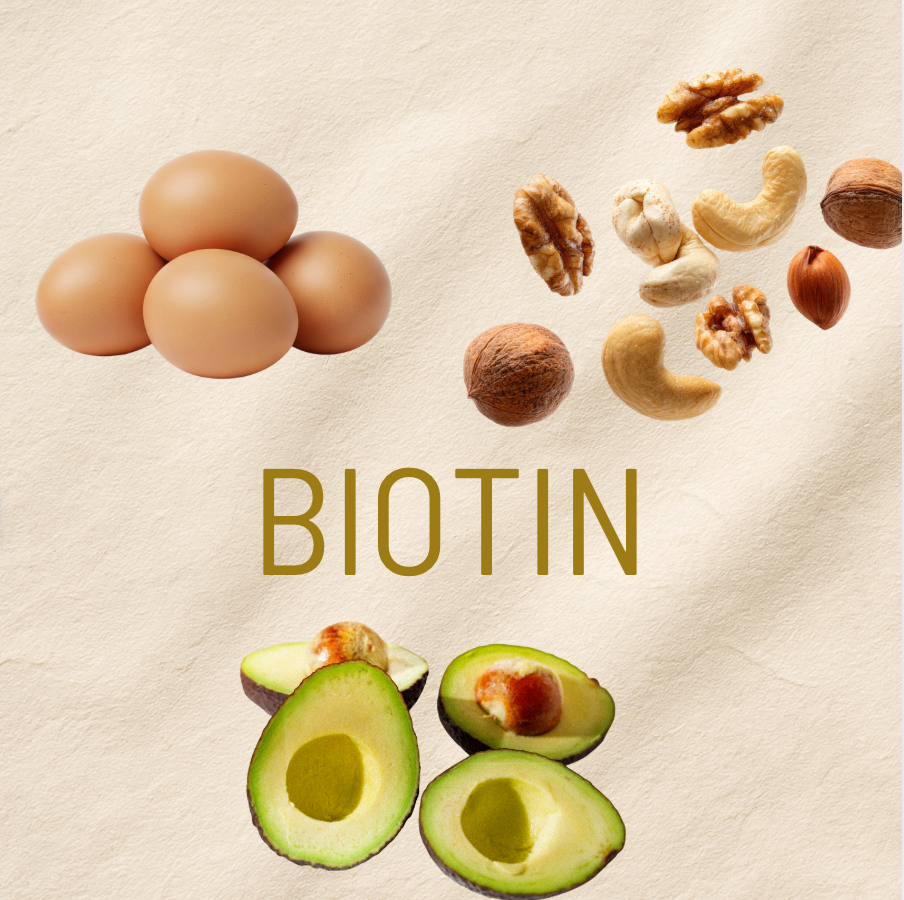
When Biotin is lacking:
Visible thinning and split ends.
Dull, lifeless hair texture.
Biotin deficiency often occurs silently, making it easy for seniors to mistake it for "standard age-related weakening."
How to Improve Nutrient Intake for Seniors
Dietary Supplements: Incorporate red meat, leafy greens (Iron), seafood, eggs (Zinc), and nuts or cereals (Biotin).
Professional Consultation: Regular health check-ups are essential. Avoid high-dose supplements without medical advice.
Gentle Hair Care: Avoid excessive pulling, heat styling, or harsh chemicals. Use products formulated for sensitive scalps.
When Care Isn't Enough: Human Hair Wigs – A Safe & Realistic Solution
While nutrition is key to internal health, it isn't always a "magic fix," especially for seniors. If hair follicles have been dormant or degraded for years, supplements may only slow down loss rather than trigger full regrowth. This is why many still see thinning at the crown or temples despite taking vitamins.
In these cases, high-quality human hair wigs offer an immediate, realistic, and confidence-boosting solution.
At Wina Wigs, we don't just sell products; we listen to your needs to:
Recommend styles that match your current hair density.
Prioritize lightweight, breathable designs that protect your remaining natural hair.
Source 100% real human hair for a natural look that is easy to maintain.
Wina Wigs: High-Quality Human Hair Solutions
Conclusion
A deficiency in Iron, Zinc, or Biotin directly impacts both your overall health and the vibrance of your hair. Early recognition and the right solution—whether nutritional or aesthetic—help you maintain a polished appearance and a positive spirit.
A well-chosen solution might not make your hair grow back, but it will certainly help you step out with confidence every single day.
Frequently Asked Questions (FAQs)
Are post-menopausal women prone to iron deficiency?
Yes. Even after menopause, women remain at high risk for iron deficiency. This is often due to a decline in nutrient absorption caused by aging, a less diverse diet, or underlying medical conditions. In many cases, iron deficiency develops silently and is only noticed when significant hair loss or chronic fatigue occurs.
Should I take Iron, Zinc, or Biotin supplements on my own for hair loss?
It is not recommended. Seniors should avoid self-prescribing high-dose micronutrients, as this can lead to toxicity or interfere with medications for other health conditions. The best approach is to have regular health check-ups and follow the guidance of a physician or nutritionist.
When is traditional hair care no longer enough?
If you have experienced thinning hair for many years—especially at the crown, forehead, or temples—your hair follicles may have weakened significantly or become dormant. At this stage, nutritional supplements may only slow down the loss rather than restore full density. This is when safe, aesthetic solutions like human hair wigs become the most effective option.
Does wearing a wig cause more hair loss?
Not if chosen correctly. Using high-quality wigs with a breathable design and proper attachment methods will not damage your natural hair. On the contrary, hair loss only occurs if you use poorly made products, wear them too tightly, or use incorrect clips that pull on your remaining strands.



Comments